
Dialysis in Iran: What International Patients Should Know Before Choosing a Center
Planning dialysis in Iran? Compare top dialysis centers, treatment options including HDF, and the key questions every international patient should ask before traveling.
International patients researching dialysis in Iran should evaluate centers based on verified equipment, hemodialysis capacity, and treatment options such as hemodiafiltration (HDF). Daliz Salamat in Tehran lists Fresenius 4008 S Classic, 4008 B, and 5008 HDF machines, while Salamat Dialysis Center in Neyshabur operates 48 hemodialysis machines with capacity for up to 150 patients daily. Confirming current equipment models directly with any clinic before travel remains essential.
Finding reliable dialysis care while traveling abroad is a serious decision, not a minor logistical detail. Patients with chronic kidney disease depend on consistent, high-quality hemodialysis to manage their health, and that need doesn’t pause for a trip. For international patients considering dialysis treatment in Iran, understanding which centers offer verified equipment, trained staff, and the right treatment modality for their condition matters more than marketing claims.
This guide looks at two dialysis facilities in Iran referenced in available information: Daliz Salamat in Tehran and Salamat Dialysis Center in Neyshabur. It also outlines the kind of questions international patients should ask before scheduling dialysis in Iran at any center, regardless of location.
What Is Daliz Salamat Dialysis Center in Tehran?
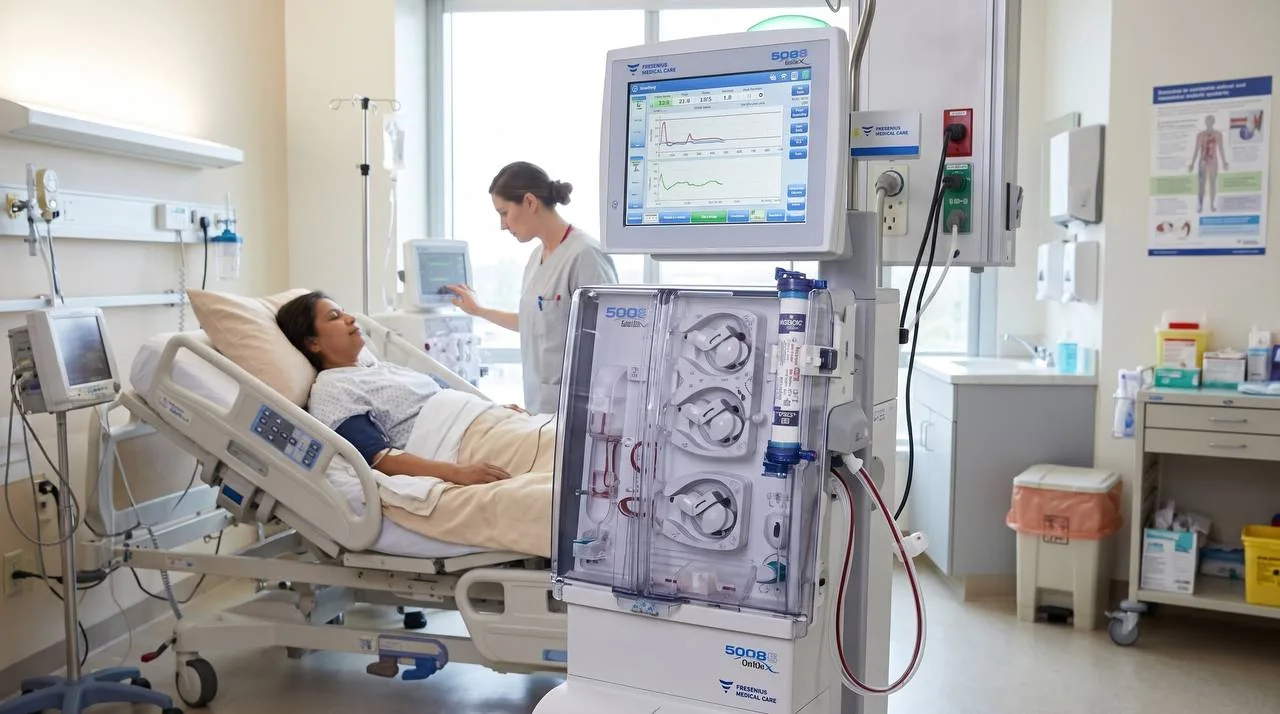
Daliz Salamat is a dialysis center located in Tehran, Iran, offering kidney care and hemodialysis services. Its publicly listed equipment includes several Fresenius dialysis systems: the 4008 S Classic, the 4008 B, and the 5008 HDF.
The presence of the 5008 HDF model is notable because it supports hemodiafiltration, a treatment approach that goes beyond standard hemodialysis in how it filters the blood.
How Does Hemodiafiltration (HDF) Work?
HDF combines two filtration mechanisms to clean the blood more thoroughly than conventional dialysis alone:
- Diffusion removes small waste products, such as urea and creatinine, from the bloodstream.
- Convection uses fluid movement across a specialized filter membrane to clear additional middle-molecular-weight waste substances that diffusion alone may not capture.
During HDF, sterile substitution fluid is used to maintain the patient’s fluid balance throughout treatment.
What Are the Potential Benefits of HDF Treatment?
For patients whose nephrologist determines they’re suitable candidates, HDF may offer:
- More effective removal of small and middle-molecular-weight waste products
- Controlled removal of excess fluid
- Improved blood pressure stability during sessions
- An additional treatment pathway for select cases of kidney failure
- Individualized treatment settings tailored to specific medical needs
HDF isn’t appropriate for every patient. Choose HDF only if your nephrologist confirms it fits your specific kidney condition and treatment history — this decision should never be made based on marketing material alone.
Cost of Dialysis in Iran for International Patients
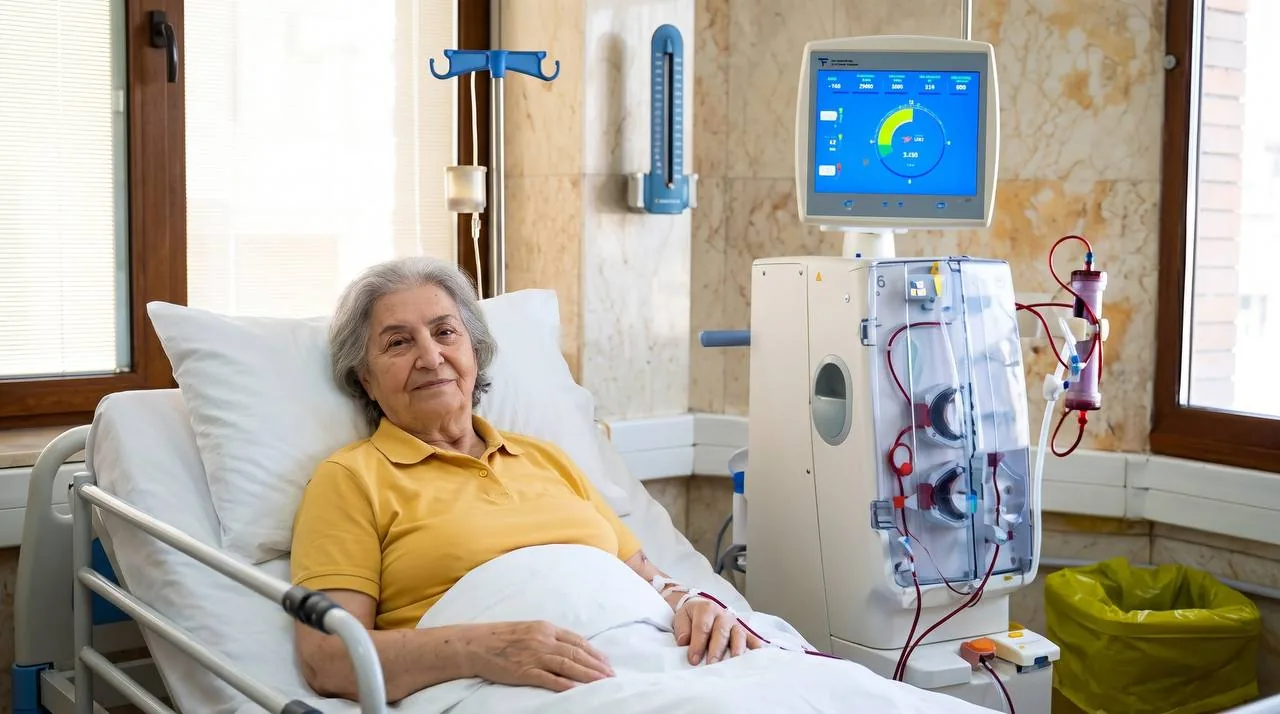
For international patients planning dialysis in Iran, understanding the cost landscape is an essential part of trip preparation. Pricing varies based on the type of dialysis, machine model, consumables, and whether treatment takes place in a public hall or a private room. All figures below are preliminary budgeting estimates and require direct confirmation with the treating center before travel.
Dialysis Cost in Iran by Treatment Type
Public Hall Prices
| Treatment Type | Price / Session |
|---|---|
| Standard Hemodialysis (HD) | $40–60 |
| High-Flux Hemodialysis | $50–70 |
| Online HDF – Fresenius 5008 | $70–100 |
| Advanced HDF – Fresenius 6008 | $80–110 |
Private Room Prices
| Treatment Type | Price / Session |
|---|---|
| Standard Hemodialysis (HD) | $60–90 |
| High-Flux Hemodialysis | $70–100 |
| Online HDF – Fresenius 5008 | $90–130 |
| Advanced HDF – Fresenius 6008 | $100–150 |
Estimated Cost for a 2-Week Dialysis Stay in Iran
Assuming three sessions per week (six sessions total):
| Treatment Option | Estimated Total (6 sessions) |
|---|---|
| Standard HD – Public Hall | $240–360 |
| Standard HD – Private Room | $360–540 |
| HDF – Public Hall | $420–660 |
| HDF – Private Room | $540–900 |
Does the Dialysis Machine Affect the Price?
Yes. The machine model influences cost, but it isn’t the only factor. HDF consumables, substitution fluid, dialyzer specifications, and treatment settings all contribute to the final price. A private room typically offers greater privacy and more individualized nursing care — but does not necessarily mean a more advanced dialysis machine. Confirm room configurations and equipment directly with the center.
What Should the Quoted Price Include?
Before accepting any price from a dialysis center in Iran, international patients should verify that it covers:
- Full dialysis session (typically 3–4 hours)
- Dialyzer and blood tubing
- Needles and consumables
- Dialysis solution and medications
- Nephrologist supervision
- Blood pressure and vital-sign monitoring
- Required laboratory tests
- Private room surcharge, if applicable
Important: Bring your dialysis prescription and recent medical records. Your treating nephrologist must approve the appropriate modality and schedule before sessions begin.
What Should International Patients Verify Before Choosing a Dialysis Center in Iran?
Choosing a dialysis center in Iran from abroad involves more variables than choosing one locally, since follow-up visits and in-person tours aren’t always practical before travel. A few questions can help clarify whether a center fits a patient’s needs:
- What specific dialysis machine models are currently in use? Equipment listings found online may not always reflect what’s actively installed. Confirm current models directly with the clinic.
- Does the center offer HDF, or only conventional hemodialysis? Not every patient needs HDF, but those who do should confirm it’s available before arranging travel.
- What is the center’s daily patient capacity? This affects appointment availability and scheduling flexibility, particularly important for patients coordinating dialysis treatment in Iran around travel dates.
- Are English-speaking staff or interpreters available? Clear communication about treatment history and ongoing care is critical for safety.
- What credentials do the nephrologists and dialysis staff hold? Ask about board certifications and experience treating international patients specifically.
Choose a dialysis center in Iran with transparent, verifiable equipment details if having certainty about your treatment technology matters most to you. Choose based on patient capacity and scheduling flexibility if timing around your travel itinerary is the bigger priority. The right answer depends on your specific medical needs and travel constraints.
Planning Your Next Step for Dialysis in Iran
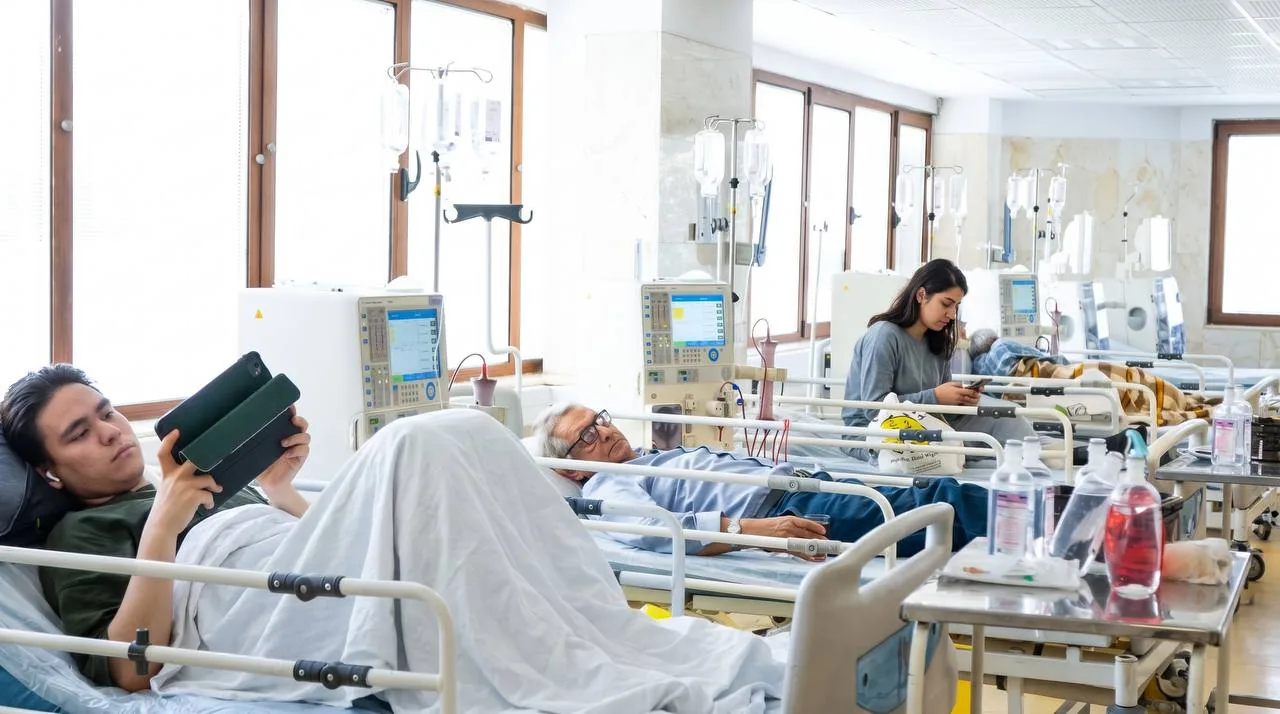
Dialysis care while traveling requires more diligence than most other medical tourism decisions, simply because the margin for error is narrower. Before booking dialysis treatment in Iran at any center, contact the facility directly to confirm current equipment, request documentation of nephrologist credentials, and clarify exactly which treatment modality — conventional hemodialysis or HDF — fits your condition.
Patients considering dialysis in Iran at Daliz Salamat in Tehran or Salamat Dialysis Center in Neyshabur should reach out to each facility individually, since publicly available information doesn’t always capture a clinic’s most current capabilities. A short email or phone call before travel can prevent costly surprises once you’ve already arrived.
Frequently Asked Questions About Dialysis in Iran
Daliz Salamat is located in Tehran and lists Fresenius 4008 S Classic, 4008 B, and 5008 HDF machines. Salamat Dialysis Center is located in Neyshabur and, according to a published clinical study, operates 48 hemodialysis machines with capacity for up to 150 patients daily. The two facilities are separate dialysis centers in Iran despite the similar naming.
HDF isn’t universally better — it’s a different approach that may benefit certain patients by removing a wider range of waste products and improving fluid and blood pressure control during treatment. A nephrologist must determine whether HDF suits an individual patient’s condition, whether they’re receiving dialysis in Iran or elsewhere.
No. The 5008 HDF is an established HDF-capable system, but Fresenius Medical Care’s 5008X CAREsystem is a newer-generation platform supporting HighVolumeHDF. Patients prioritizing the newest technology should confirm current equipment models directly with any dialysis center in Iran before booking.
Key questions include which specific machine models are in use, whether HDF is offered alongside conventional hemodialysis, the center’s daily patient capacity, availability of English-speaking staff, and the credentials of the nephrology team.
HDF is not appropriate for every dialysis patient, whether they’re seeking treatment in Iran or abroad. Suitability depends on individual medical history and kidney condition, which only a treating nephrologist can assess.
Written by: Medipars Medical Content Team.
Reviewed by: Dr. Yousef Ataei Pour, Nephrologist.
Last medically reviewed: November 10, 2026.
