
Hairline Lowering Surgery in Iran, Arranged From First Message to Flight Home
Forehead Reduction in Iran
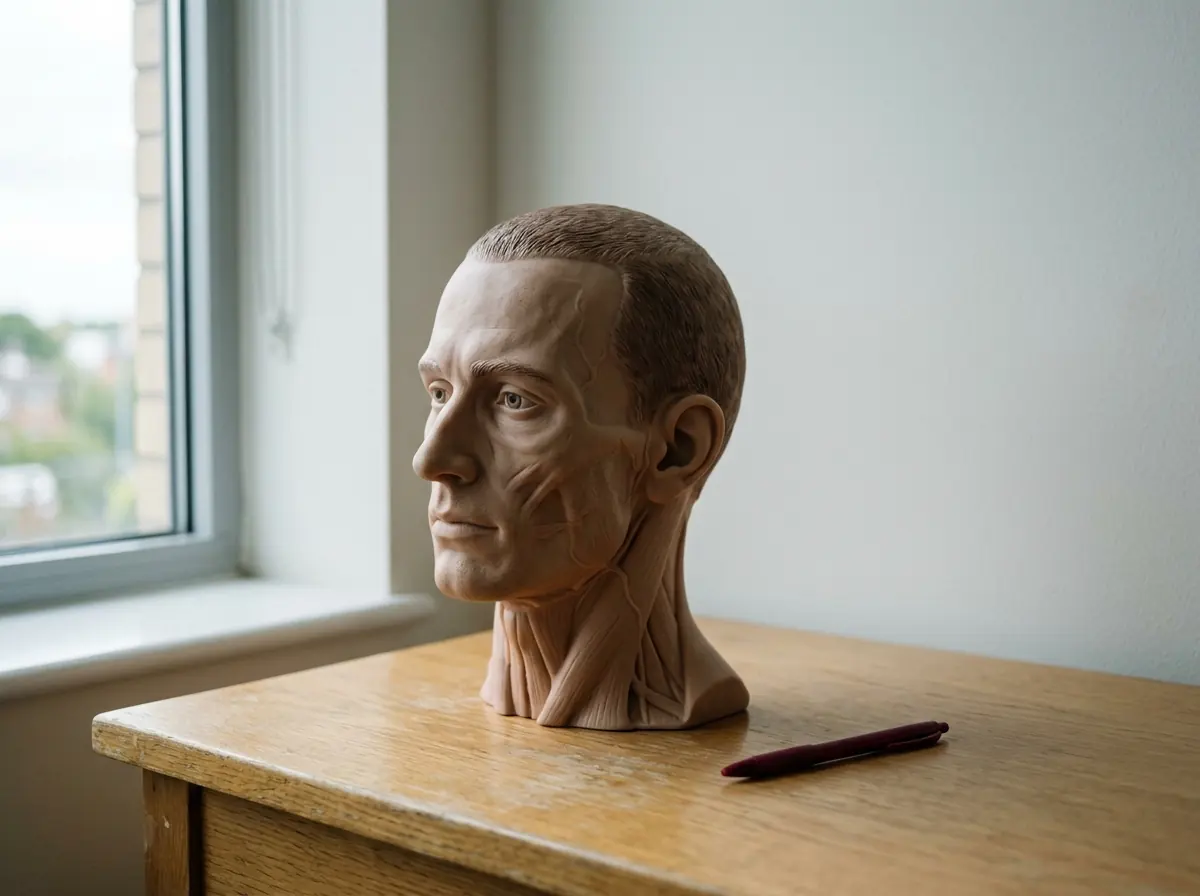
Hairline lowering surgery (forehead reduction) removes a strip of skin along the hairline and brings the hair-bearing scalp forward. Below, Iran sits beside Turkey, South Korea, Costa Rica and the US. In Iran, one Medipars coordinator arranges your whole treatment trip, from your first message to your flight home.
Send your photos through the Make An Enquiry form or WhatsApp, and we reply with a personal quote and trip proposal.
Which Is the Best Country for Hairline Lowering Surgery?
No single country suits everyone, so judge each one on what you will actually pay and receive. Compare the price of the surgery itself, the surgeon’s experience with this exact operation and the number of days you need to stay. Then look at what the package arranges for you, how far you travel and how follow-up works once you are home.
For hairline lowering, our range in Iran is $1,500–$4,500, while clinics in Turkey usually charge about $2,500–$5,500 for the same operation. Both ends of our range are lower than the usual Turkish figures. We also arrange the practical side of your trip in Iran in the same package, priced separately from the surgery.
The trade-off is distance. You travel to Iran for the operation, and follow-up at home is remote and free until 1 week after your return. If you want a lower surgery price with experienced specialists, and the journey suits you, Iran is a strong choice.
| Country | Usual surgery price | What that price usually covers | What to weigh |
|---|---|---|---|
| Iran, through Medipars | $1,500–$4,500, with your final price set in your quote | The operation only; the visa, airport transfers, interpreter and hotel are arranged in the package and priced separately (see our price table) | A trip to Iran with a visa we arrange; follow-up after you return is remote |
| Turkey | Usually about $2,500–$5,500 | Usually the operation; many clinics add a hotel and airport transfers | Short flights from Europe; clinics differ in how often they perform this operation |
| South Korea | Set by each clinic | Usually the operation at the clinic, with flights and hotel booked by you | A long flight for most readers outside Asia; language support differs between clinics |
| Costa Rica | Set by each clinic | Usually the operation; some clinics offer a recovery stay at extra cost | A short trip from North America, a long one from Europe or the Middle East |
| United States | Usually at the higher end of the market | Often the surgeon’s fee, with hospital and anesthesia billed separately | No long trip if you live there; follow-up visits happen in person |
Forehead Reduction Cost in Iran and What Your Price Depends On
Our range for hairline lowering surgery in Iran is $1,500–$4,500. This range is for the operation itself, and we set your final price in a quote prepared for you. The table below lists our ranges for forehead operations and what each part of the trip costs.
| Brow bone reduction | about $3,000–$5,000 |
| Forehead reduction (hairline lowering) | about $1,500–$4,500 |
| Invitation letter and visa | $30–$150 |
| Airport transfers and interpreter, for the whole trip | $200–$500 |
| Hotel | $80–$120 a night |
| International flights | Not included: you book them yourself |
| International patient package | about $3,600–$4,500+ |
Your package includes the invitation letter and visa, airport transfers, an interpreter and the hotel. International flights are not included, so you buy them yourself and choose the dates and route that suit you.
Once we give you your quote, the price stays fixed. It can change only after an exceptional event, such as a canceled flight or an illness that needs a longer stay.
Send us your photos and a few details, and we work out your price based on:
- How far your hairline needs to come down, and how loose your scalp is
- Whether you add a hair transplant to soften the new hairline
- Which surgeon and hospital treat you
- The type of anesthesia: general, or local with sedation
- How many nights you stay, since the hotel is charged per night
How Your Trip Works, Step by Step
Your first message needs only a few things. Send clear front and side photos of your forehead and hairline, your age and your preferred travel dates. Add a line on your general health and any medicines, any past scalp surgery, and whether hair loss runs in your family.
We reply in under 2 hours and prepare your quote and trip plan from what you send. In Iran, surgeons usually give a first opinion from photos and confirm the plan at the consultation before surgery. You then book your own international flight, and we arrange your invitation letter and visa.
A stay in Iran is usually planned around the stitch removal, which surgeons commonly do about 1 week after this operation. Your surgeon sets your flight date at the last check, and a longer stay adds hotel nights to your bill.
Once you land, this is what happens:
- Your driver and interpreter meet you at the airport and take you to your hotel.
- You meet the surgeon for a consultation and an examination of your scalp before the operation.
- On surgery day, a transfer takes you to the hospital for the operation.
- Check-ups follow at the clinic until your stitches come out.
- You fly home, and your coordinator keeps in touch with you there.
What Hairline Lowering Surgery Involves and Who It Suits
Hairline lowering surgery shortens a high forehead in a single operation. Your own hairline moves down as a whole, so it is in place from the day of surgery, with no grafts to wait for. If a prominent brow bone bothers you more than a high hairline, forehead contouring is the operation to read about instead.
On the day, you have general anesthesia or local anesthesia with sedation, as your surgeon advises. The surgeon marks the new hairline, removes the strip, advances the scalp and closes the incision in layers to keep tension off the scar.
At the consultation before surgery, the surgeon checks how loose your scalp is, how dense your hair is and the shape of your hairline. From these, they judge how far the hairline can move. Surgeons usually ask you to stop smoking beforehand and to review any blood-thinning medicines with them.
Hairline lowering is likely to suit you if you have:
- a naturally high forehead, not one made higher by hair loss
- a hairline that has stayed stable over the years
- good scalp elasticity, meaning your scalp moves easily when you push it
- no family history of hair loss (for men), since later thinning could reveal the scar
Forehead Reduction or a Hair Transplant?
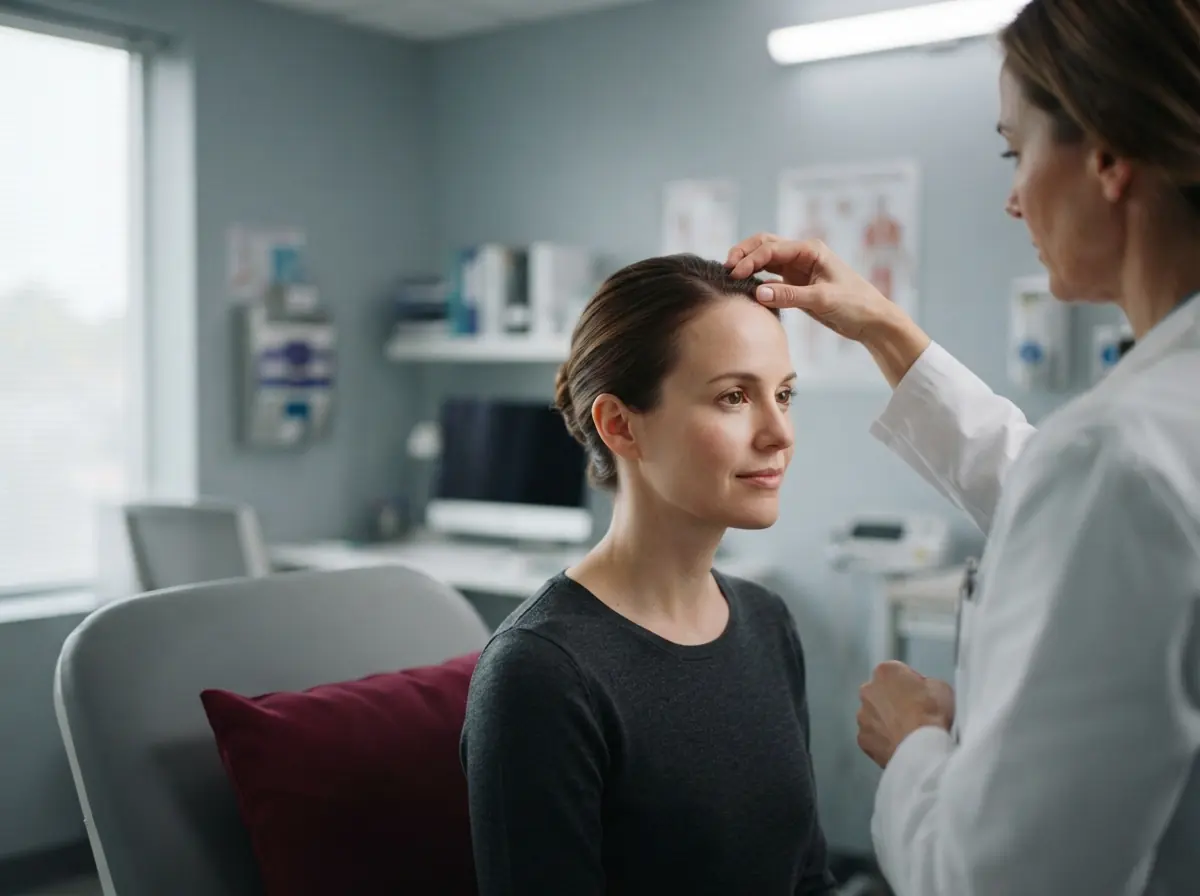
The right choice depends on why your forehead looks high and how your scalp behaves. Surgery suits a naturally high forehead with a stable hairline and a loose scalp. It moves the whole hairline forward in one operation and leaves a scar along the hairline.
A hair transplant moves hair follicles from the back of the head into the forehead area, so there is no hairline scar. It suits a receding or thinning hairline, a tight scalp or a wish to reshape the hairline. The result builds gradually as the grafts grow.
For a man whose family has a history of hair loss, a transplant is often the better route. Some people combine both: surgery to lower the hairline first, then grafts later to soften its edge. Our page on hair transplant in Iran explains that treatment in detail.
Recovery, the Scar, Results and Risks
Your scalp will feel tight and numb at first, because it has been stretched forward and its small nerves need time to recover. The discomfort is usually managed with the painkillers your surgeon prescribes.
Some swelling of the forehead and around the eyes is usual in the first days. It usually begins to settle within 2 weeks of surgery.
The scar sits along or just behind the hairline, where your hair can cover it. It fades over the following months, and how visible it stays depends on how you heal and how you wear your hair.
Expect a shorter forehead, with your own hairline in a lower position that changes the proportions of your face. How far the hairline comes down differs from person to person.
Complications are rare: a review that pooled published studies of this surgery found them in very few patients. Still, this operation has real risks: numbness over the scalp, a wider scar, temporary hair shedding near the incision, bleeding and infection. Tell the surgeon at once about bleeding, a fever or growing redness, so they can be treated early.
While you heal, surgeons usually ask you to:
- sleep with your head raised on extra pillows, which keeps swelling down
- wash your hair gently, and only in the way your surgeon shows you
- avoid heavy lifting and hard exercise until your surgeon says you can return to them
- keep the scar out of strong sun with a hat or sunscreen
- stay away from cigarettes, which slow wound healing
Suitability, Complications and a Safe Trip Abroad
If you turn out not to be suitable for the operation, part of what you paid for the package is refunded to you. The treatment fee is taken off, and any cost that can still be refunded is returned to you.
A complication during your stay in Iran is treated through Medipars. After you return, it is treated in your home country. In both cases, the extra treatment costs are charged to you.
For a safe trip, choose a surgeon who holds a practice license in Iran and performs this operation often. Stay in Iran until your final check with the surgeon, and tell us about any problem you notice at home. Before you book, confirm with your coordinator:
- where and when your suitability assessment takes place
- which surgeon will operate, and in which hospital
- how often that surgeon performs hairline lowering, with their own before-and-after photos of it
- what the surgery range covers: the surgeon, the hospital, anesthesia, tests and medicines
- the date you can expect to fly home
What Your Medipars Coordinator Arranges
With Medipars, you deal with one coordinator for the whole trip instead of a separate contact for each booking. Your coordinator books every part of your package, from the visa to the hotel. They also set your hospital appointment and surgery date, and answer your questions as they come up.
Once you are home, your Medipars coordinator follows up with you over WhatsApp. This follow-up is free until 1 week after you return to your home country. After that, you can still consult the doctor through Medipars.
Who Operates and How to Check Your Surgeon in Iran
In Iran, hairline lowering is done by a plastic surgeon or a facial plastic surgeon, in a hospital or a surgical center. Experience with this exact operation matters, because the placement of the incision shapes how natural the new hairline looks. Good signs of that experience are how often a surgeon performs it and their own before-and-after photos.
Iranian plastic surgery has long-established departments in the country’s university hospitals. Surgeons trained in these departments learn facial operations, such as hairline lowering, as part of their specialty.
You can check a surgeon yourself: the Iranian Medical Council’s public member search shows whether a doctor holds a practice license. You can also read profiles of plastic surgeons in Tehran and the hospitals in Iran on our site.
Questions About Hairline Lowering Abroad
Which country is best for hairline lowering surgery?
It depends on your priorities, since no country suits everyone. As our country comparison shows, Iran suits you if you want to pay less for the operation and still have a specialist operate. The trade-off is the journey, with follow-up handled remotely after you return.
How much does forehead reduction cost in Iran?
Our range for the surgery is $1,500–$4,500, and we set your final price in a quote made for you. The package items are priced separately, at the costs shown in our price table. You buy your international flights yourself.
How much does hairline lowering surgery cost in Turkey?
In Turkey, the surgery usually costs about $2,500–$5,500. Some clinics quote the operation alone, while others add a hotel and transfers, so compare surgery prices on their own.
Is forehead reduction surgery suitable for men?
Yes, men can have it, with the same conditions as anyone else: a naturally high forehead, a stable hairline and a loose scalp. Surgeons also usually look for no family history of hair loss, because later thinning could reveal the scar. If hair loss does run in your family, a hair transplant is usually the better choice.
Should I choose forehead reduction or a hair transplant?
Choose surgery if your forehead is naturally high, your hairline is stable and your scalp is loose. Choose a transplant if your hairline is receding or thinning or your scalp is tight. A transplant leaves no hairline scar, but its result grows in gradually. Some people have both, with grafts added later to soften the new line.
How long do I need to stay in Iran after forehead reduction?
Trips are usually built around the stitch check, which commonly falls about 1 week after surgery. The surgeon confirms your flight date at that visit.
Is hairline lowering surgery risky?
Complications are uncommon after this operation, but it is still surgery. The main ones are a numb scalp, a scar that heals wider than expected, short-term hair shedding near the cut, bleeding and infection. Choose a surgeon who performs it often, and follow your aftercare plan closely.
Ask for Your Personal Hairline Lowering Quote
Send your photos and details through the Make An Enquiry form or on WhatsApp. Our first reply comes in under 2 hours.
You then receive a quote set for you and a proposal for your treatment trip. Your message is a request for information, not a booking or a payment, so you can decide in your own time.
References (3)
- Utah Facial Plastics: What is Forehead Reduction Surgery?
- Facial plastic surgery & aesthetic medicine: Forehead Reduction: A Systematic Review and Meta-Analysis of Outcomes (2022)
- Islamic Republic of Iran Medical Council (IRIMC): Home page
