
Colon Cancer Treatment in Iran, Planned From Your Records to Your Recovery
Colon cancer treatment in Iran, planned by stage: surgery, doctor visits, accommodation, transfers and a medical interpreter in one package. Get a quote.
The plan depends on the stage of your cancer: early colon cancer is usually treated with surgery alone, and cancer in nearby lymph nodes with surgery then chemotherapy. Cancer that has spread further is treated mainly with medicines, sometimes with surgery as well. The treating team builds your plan from your pathology, scans and blood tests, while a Medipars coordinator arranges the trip around it.
A coordinator replies in under 2 hours, and you then receive a personal treatment plan and quote.

What Treatment in Iran Costs and What Moves the Price
Our estimated range for colon cancer treatment in Iran is $3,000–$30,000+. It runs from surgery alone for early-stage cancer to long systemic therapy for advanced cancer. The table below shows the estimate for each treatment scenario and the international patient package price, with what the package includes, and your personal quote sets the final figure.
| Early-stage cancer needing surgery only | $3,000–$8,000 |
| Surgery followed by chemotherapy | $5,000–$13,000 |
| More extensive treatment combining several methods | $10,000–$20,000+ |
| Advanced cancer needing long systemic therapy | $15,000–$30,000+ |
Costs differ mainly with the stage of the cancer, because it sets how much treatment you need. Within a scenario, the type of operation matters, and so does whether it is done open or by laparoscopy, since each uses different equipment and operating time.
We review your records, draw up the plan with the treating team and price it in a personal quote. Once you have that quote, the price stays fixed unless something exceptional happens, such as a canceled flight.
International flights are not part of the package, so you buy them yourself. Send us your records, and we will return a quote built on your own treatment plan.
How Does Iran Compare With Other Countries?
For surgery alone for early-stage cancer, our estimate in Iran is $3,000–$8,000, while the same operation in India usually costs $730–$10,000. India’s band starts lower than ours and also reaches higher.
Germany and the United States usually cost a self-paying patient more than Iran or India for the same operation. In Turkey, prices vary by hospital and by what each package bundles.
So on price, our surgery-only estimate falls within India’s usual band and below what self-paying patients pay in Germany or the United States.
| Where | Usual price of colon cancer surgery alone | What that price usually covers | What to weigh |
|---|---|---|---|
| Iran, with Medipars | $3,000–$8,000, our estimate; the final price is set in your personal quote | Surgery alone for early-stage cancer. The package includes accommodation, airport transfers, an English interpreter for medical purposes only, pre-op and post-op care, the operation and doctor visits | The flight to Iran, a trip of a few weeks, and long-term follow-up with your doctor at home |
| India | Usually $730–$10,000 | Usually the hospital package for the operation and the stay; flights and hotel are often your own to arrange | A wide band; English is widely used in hospitals; follow-up continues at home |
| Turkey | Quoted by each hospital or agency | Varies: some packages bundle transfers and a hotel, others cover the hospital only | Interpreter support, the length of the stay and follow-up at home |
| Germany | Usually higher than Iran or India for a self-paying patient | Hospital and doctors’ fees, often invoiced separately; travel and accommodation are arranged by you | Visa and travel planning, interpreter costs and follow-up at home |
| United States | Usually higher than Iran or India for a self-paying patient | Hospital, surgeon and anesthesia fees, often billed separately; travel and accommodation are arranged by you | Visa and how follow-up continues once you return home |
Why Patients Choose Iran, and Where You Are Treated
In Iran, you can have specialist colorectal surgery with the trip arranged around it. The country has long-established university and private hospitals with colorectal surgery, oncology, imaging and pathology departments. Several of the larger ones run international patient departments used to receiving patients from abroad.
In these hospitals, a colorectal or general surgeon usually reviews a cancer case together with a medical oncologist. Larger hospitals often hold a team meeting, called a tumor board, to agree on the plan. The hospital and surgeon are chosen to suit your stage and the operation you need.
The trade-off is real: you travel home after major abdominal surgery, and long-term cancer follow-up continues with a doctor at home once our free follow-up period ends. If you want established specialist teams and a lower price than in the West, with treatment and travel planned together, Iran is a strong choice.
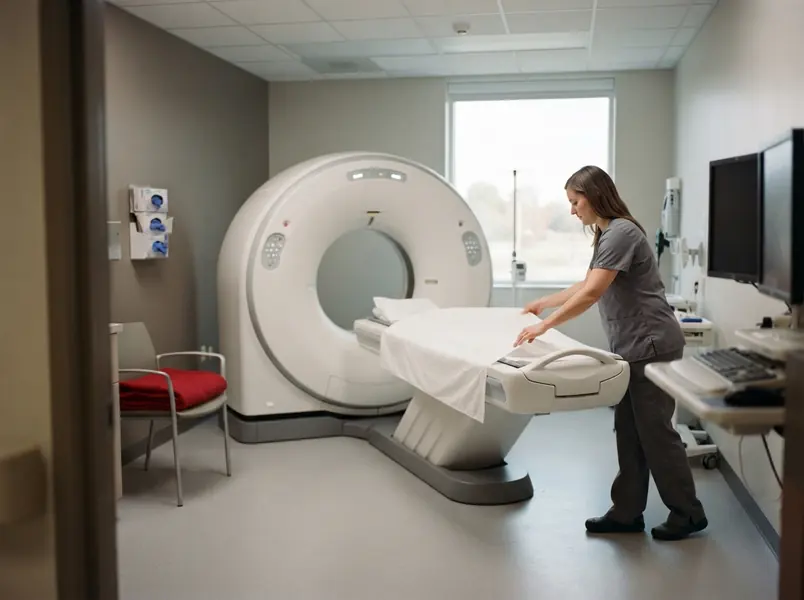
What Medipars Arranges and How the Trip Runs
With a single coordinator handling the trip, you deal with one person instead of a hotel, a driver and a hospital desk. Your package includes accommodation, airport transfers, an English interpreter for medical purposes only, pre-op and post-op care, the operation and doctor visits. The visa for anyone travelling with you, medication and airport tickets are not included. We also agree your dates with the hospital and surgeon, so the trip is built around the treatment.
Most hospital staff in Iran, from the front desk to the ward, work in Persian. Your interpreter goes with you to consultations, tests and admission, and translates between you and the medical team.
Your own part is short. You buy your international flights and bring your medical records and the medicines you take.
Here is how the trip runs, from your first message to the flight home:
- Send your medical records to a Medipars coordinator.
- A coordinator replies, answers your first questions and passes your file to the treating team.
- You receive a treatment plan and a quote based on the team’s review.
- You are met at the airport in Iran and taken to your hotel.
- You meet the surgeon, have the pre-operative tests and are admitted to hospital.
- You have the operation and stay in hospital until the team discharges you to the hotel.
- You fly home once the surgeon clears you, and your coordinator keeps in touch for follow-up.
How Many Days Will You Spend in Iran?

A surgery-only trip usually adds up to a few weeks in Iran. You arrive a few days before the operation for the surgeon’s consultation and pre-operative tests, then spend a few days up to a week in hospital after the colectomy.
After discharge, you rest at your accommodation until the surgeon’s check, and the surgeon decides when you are fit to fly. Your personal plan sets the total number of days you stay in Iran.
Some plans run longer from the start. Rectal cancer treated with radiation therapy before surgery adds weeks before the operation, and advanced cancer on long systemic therapy can continue for months. Long courses like these are often easier to have closer to home.
If you need chemotherapy after surgery, it usually starts some weeks later, once the wound has healed, and runs in cycles over several months. You can:
- stay in Iran for the whole course
- fly back to Iran for each cycle
- have the cycles with an oncologist at home, following the plan made in Iran
Surgery, Chemotherapy or Both: How Colon Cancer Treatment Is Decided
Colon cancer is treated with surgery, chemotherapy or both, and the treating team chooses between them from the stage. Colorectal cancer means cancer of the colon or the rectum, and where the tumor sits also shapes the plan.
Cancer limited to the bowel wall is usually treated with surgery alone. Once it has reached nearby lymph nodes, chemotherapy usually follows surgery to lower the chance of the cancer coming back.
Even when it has spread, colon cancer can still be treated. If it has reached organs such as the liver or lungs, medicines lead the treatment, sometimes with surgery to remove the spread. The aim then may be to control the cancer rather than to cure it.
The biopsy and scans give a first estimate of the stage, and the team sets the starting plan from the records you send. The stage is confirmed after surgery, when the removed tissue and lymph nodes are examined under the microscope. So the need for chemotherapy sometimes becomes clear only after surgery.
The treatments your team can combine are:
- Surgery to remove the tumor along with its lymph nodes, the main treatment for most colon cancers
- Chemotherapy, given after surgery or sometimes before it to shrink the tumor
- Radiation therapy, used mainly for rectal cancer
- Targeted medicines and immunotherapy, chosen from tests on the tumor tissue, mainly when the cancer is advanced
Which Medical Records to Send
To get a treatment plan and quote, start with the biopsy or pathology report and the colonoscopy report. Add your CT, MRI or PET scans with their written reports, and recent blood tests, including CEA, a tumor marker measured in the blood. A summary from your doctor and a list of your medicines and other health conditions complete the file.
Some tests are usually repeated in Iran before surgery, such as blood tests and a check by the anesthetist. Your recent results still matter, because the team uses them to draw up the plan and price it.
What Happens During Colon Cancer Surgery
Most colon cancers are removed with an operation called a colectomy. The surgeon takes out the affected part of the colon together with the lymph nodes around it, then joins the healthy ends. A small, early tumor can sometimes be removed during a colonoscopy instead, without opening the abdomen.
The operation is done either open, through a single longer cut, or by laparoscopic (keyhole) surgery through several small cuts. Your surgeon chooses the approach from the tumor’s position, any past operations and your general health.
Rectal cancer is often treated differently. Radiation therapy, sometimes with chemotherapy, is often given first to shrink the tumor. The operation itself is more complex, because the rectum sits deep in the pelvis.
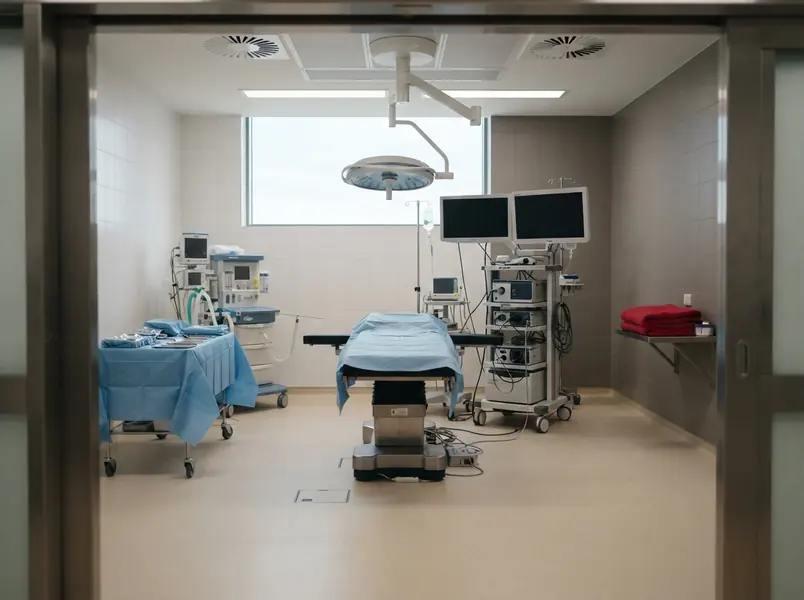
Some people need a stoma, an opening on the belly where waste passes into a bag. It is more common after rectal surgery and is often temporary, protecting the new join while it heals, then closed in a smaller later operation.
The operation and your first days on the ward usually go like this:
- You are given a general anesthetic and sleep through the operation.
- You wake in the recovery area with a drip in your arm and pain relief already working.
- Nurses get you sitting up, drinking and walking early, because moving soon after surgery lowers the risk of clots and chest infections.
- The team treats nausea and pain as they come up and checks your wound.
Recovery and Follow-Up After Surgery
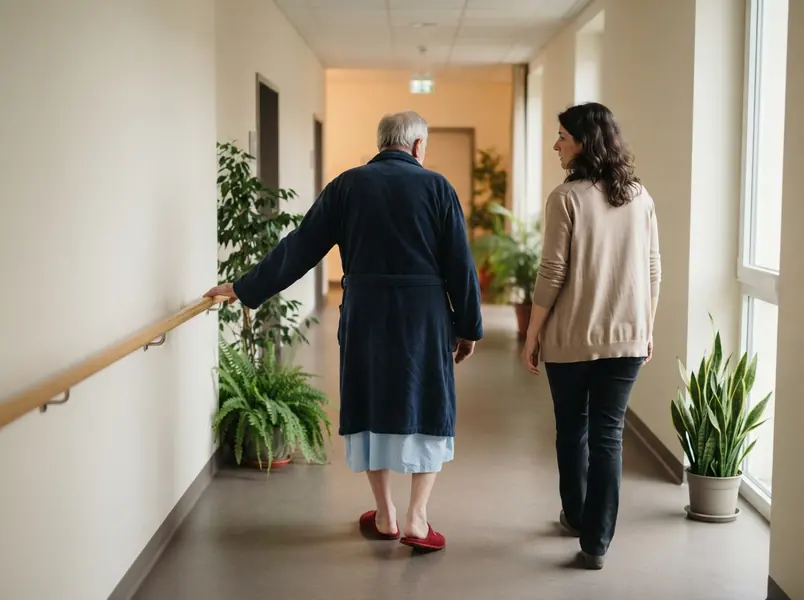
In hospital, the first goals are eating, walking and getting your bowel working again. Pain is controlled with medicine, and you leave once you can eat, move about and pass wind or stool.
Recovery after a colectomy may take up to 6 weeks once you are out of hospital. Short daily walks keep your circulation and bowel moving, but avoid heavy lifting until the wound has healed. Return to your usual diet gradually, starting with small, simple meals.
Our follow-up is free for 1 week after you return home. A Medipars coordinator handles it over WhatsApp. After that period, you can still consult the doctor through Medipars.
Long-term cancer follow-up then continues with a doctor at home. It usually means regular check-ups, blood tests including CEA, scans and surveillance colonoscopy, on a schedule your doctor sets. Diet advice and emotional support belong in that care too, and cancer services commonly offer both.
Contact your coordinator or your doctor straight away if you notice:
- a fever or chills
- pain that gets worse instead of better
- redness, swelling or discharge around the wound
- vomiting, or a swollen, hard belly
Risks and Complications of Colon Cancer Surgery
Colorectal cancer surgery is a major abdominal operation, and it carries real risks. Possible complications include bleeding, infection, a leak where the bowel is joined, blood clots and a slow return of bowel function. Before surgery, the team checks your fitness for the operation and the anesthetic, including your heart and lungs.
Questions Patients Ask About Surgery and Recovery
What is the life expectancy after colon cancer surgery?
It depends mainly on the stage when the cancer is found, so figures can only be a general guide, not a forecast for you. In US national statistics, five-year relative survival is about 91% when colorectal cancer has not spread beyond the bowel. It is about 75% with spread to lymph nodes near the bowel, and about 17% with spread to distant organs. These figures describe US patients as a whole, not the results of treatment in Iran.
How long does recovery from colon cancer surgery take?
After you leave hospital, recovery at home may take up to 6 weeks, and your energy comes back gradually. Light activity returns first, and heavy lifting comes last. If chemotherapy follows, it adds its own recovery time.
How painful is colon resection surgery?
You will have pain after the operation, mostly around the wound, and it is treated with regular pain medicine from the start. It usually eases day by day. Laparoscopic surgery, with its smaller cuts, often causes less wound pain than open surgery.
What are bowel movements like after colon surgery?
At first they are often irregular: looser, more frequent or more urgent than before. For most people they settle over the following weeks or months as the bowel adjusts, though changes can last longer after rectal surgery. Small, regular meals and enough fluids usually make this phase easier.
Can you live a normal life after a colectomy?
Yes, most people go back to work, exercise and travel once they have recovered, because the remaining bowel takes over. If you have a stoma, you learn to care for it before you leave hospital, and people with a stoma also work, swim and travel.
Is colon cancer surgery dangerous?
It is a major operation, so the team takes steps before and after it to lower the risk. Before surgery, they check that you are fit for the operation and the anesthetic. Afterwards, getting up and walking early helps protect you from clots and chest infections.
What Our Patients Say
While coming iran little nervous, because I don't know how thing's to be gone,but after arriving iran all arrangements are very good accommodation,food hospital,all hospital body test done so smoothly.
Not feel alone on this trip thanks to all people Monika ma'am,Tanus,saed all are good people I meet.
In hospital surgery day due to pain mix imotions because of pain but day by day how pain relieve is unthinkable and within 3day feel like nothing changes in my body and I am same as before.It's beautiful country and big heart lovely people in Iran and all I meet this trip Thankyou everyone will remember forever.
I share my this experience with people's and motivate them to come to Iran for medical treatment.
Thank you 🤝🙏🏻
Dear Dr.Yousef Ataipour, & team…
I want to express my heartfelt gratitude for the exceptional care and treatment you provided during my recent surgery…Your professionalism, compassion, and dedication to your patients are truly inspiring. Thank you for taking the time to listen to my concerns and for providing me with the best possible care. I'm grateful for your expertise and kindness… thank you so very much…
TO,
HASHEMINEJAD HOSPITAL TEHRAN Team,I'm writing to express my sincere appreciation for the outstanding care and hospitality I received during my recent stay at your hospital. From the moment I arrived, I was treated with kindness, respect, and compassion. The staff were attentive, responsive and went above and beyond to ensure comfort and well-being…Please know that your hard work and dedication do not go unnoticed….
Thank you again for everything.
The care and hospitality we received at HASHEMINE HOSPITAL TEHRAN was truly exceptional. The doctors, nurses, and staff were all incredibly kind, compassionate, and professional. They took the time to listen to our concerns, answered all our questions and provided us with the best possible care. I'm grateful for their expertise, dedication, and kindness. The hospital's commitment to patient care is evident in every aspect of their service.
Thank you so much for the great care and surgery you performed on my brother.. I wud like to thank all the doctors n his team n all the hospital staff especially the nurses,who have made such a huge difference for him…he is feeling much better and I appreciate all the efforts n support…
Hasheminejad hospital Tehran
Thanks to Monika n Aamir for all the hospitality n being so supportive in every aspect…thanks again we will come back n visit this beautiful city n explore it again…my special thanks to Thanush n sayid for being so kind n supportive…they made things easier for us…pls do keep in touch and we will keep u posted about Arun n his health… we thoroughly enjoyed our stay n are happily going back….forgot to mention this beautiful apartment we stayed at it made us feel at home…thank you 🙏
I was afraid when I came to a surgery like this.but wheni saw the Hospital formality, it was make a confidence for me. And now I finished my all jobs and i am going to back to back my home. This hospital and all off the teams are very well.
Thanks to all your team specially Monica to have patience with us. Keep it up for this noble job.
Each one of have helped us throughout our stay here.Keep the good work going. God bless you all.
The people around me did a very good job of keeping us comfortable all the time. They were available 24/7 . The hospital staff also did a great job. Our only concern was not knowing This place is good for medical tourism.
The journey to health
Everything was so well planned and went really smoothly. The medical leader( translator) was such a big help . He helped with everything and took care of everything very well. The hospital was so clean and every one of the staff was so well mannered and so kind. The Tehran city and all Iran is very clean and very neat .so enjoyable.
Amazing
The treatment with the help of all the surgeons doctors nurses and other support staff was really great and the people are very warm and willingness to help always
Wonderful experience
Yeah its really good experience. Good respecting peoples with cute smile faces. Well trained staffs and good facilities are there really great experience in my view
The people are very friendly,respecting and helpful.what thay promised thay did it and thay made our trip very enjoyable and unforgatable.
Get Your Personal Treatment Plan and Quote
Expect a reply from a coordinator in under 2 hours once your medical records reach us.
You then receive a treatment plan for your case with a quote. Writing to us does not book flights or take any payment, so you can read the plan and decide in your own time.
References (2)
- Cleveland Clinic: Colectomy (Colon Resection Surgery): What It Is & Types
- National Cancer Institute SEER: Colorectal Cancer
