
Fertility Treatment and Egg Donation in Iran: Cost, Procedures and Best Clinics
Fertility Treatment in Iran
Fertility treatment in Iran covers a broad range of options, including IVF, ICSI, IUI, egg donation and embryo donation, for couples experiencing infertility, often at a lower cost than in many Western countries. Specialised fertility clinics in Tehran and other major cities provide reproductive healthcare services, laboratory facilities and experienced fertility specialists to support both local and international patients.
International patients increasingly consider Iran for fertility treatment because of its relatively affordable medical costs and established access to assisted reproductive technologies. Below, you’ll find a detailed breakdown of available treatments, egg donation in Iran specifically, indicative pricing, leading clinics, and what to expect when travelling for care.
What Fertility Treatments Are Available in Iran?
Iranian fertility clinics offer IVF, ICSI, IUI, egg donation and embryo donation, supported by ovarian stimulation, embryo culture and laboratory services.
IVF and ICSI Treatment
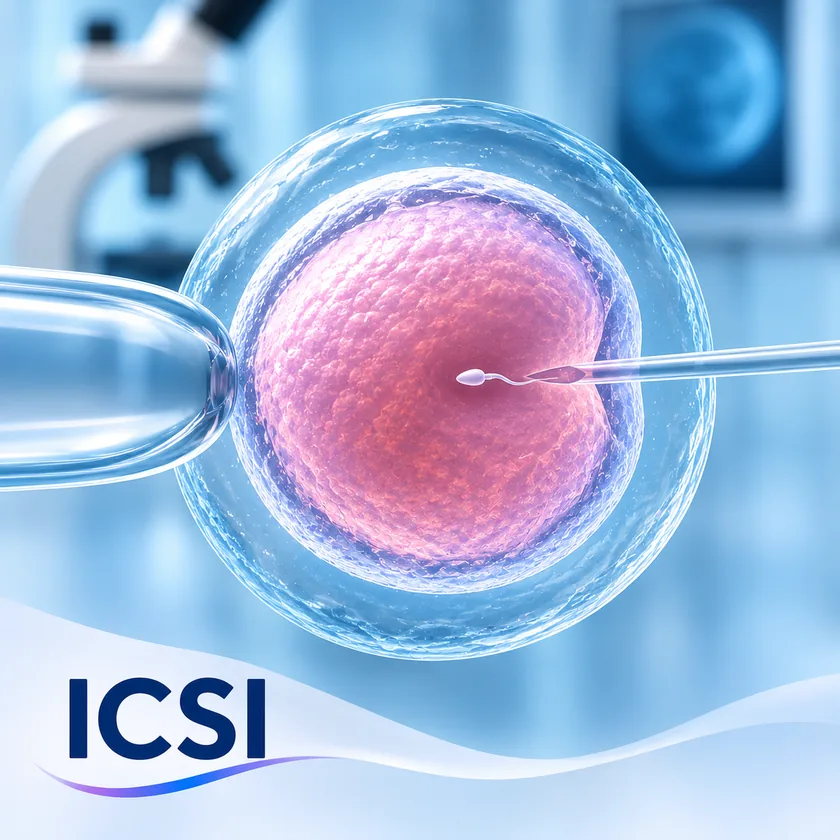
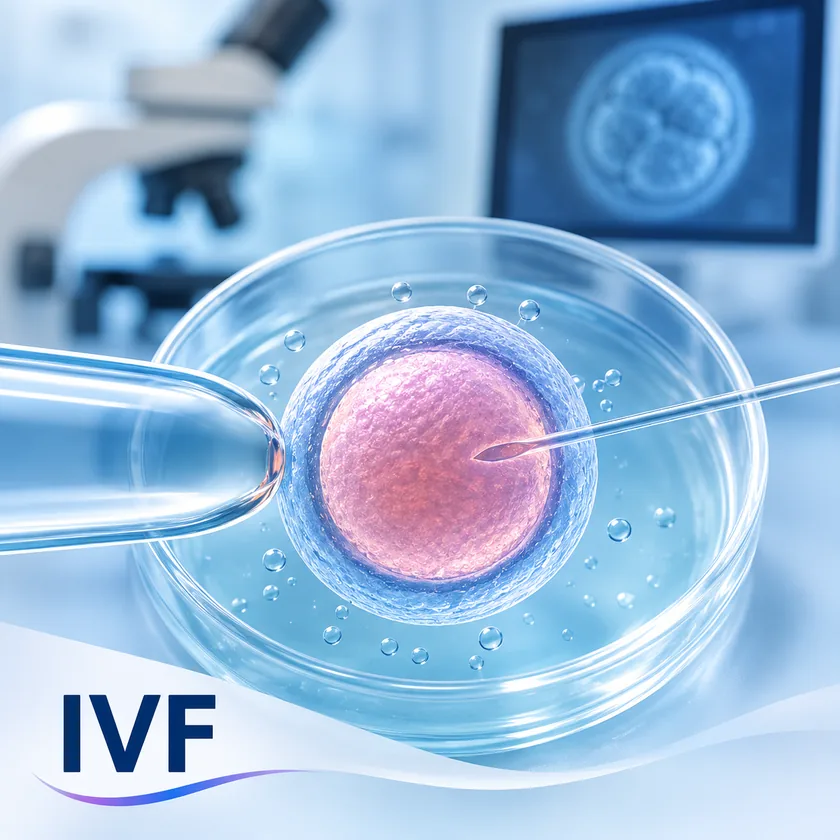
- In Vitro Fertilisation (IVF): Eggs are collected from the ovaries and fertilised with sperm in a laboratory. The resulting embryo is transferred into the uterus.
- Intracytoplasmic Sperm Injection (ICSI): A single sperm is injected directly into an egg. This technique is commonly used for certain types of male infertility.
- Both treatments may involve ovarian stimulation, egg retrieval, embryo culture and embryo transfer.
Intrauterine Insemination (IUI)
IUI is a less invasive fertility treatment in Iran in which prepared sperm is placed directly into the uterus around the time of ovulation.
- Suitable for selected cases of mild infertility.
- Usually less expensive than IVF.
- May require fertility medication and ultrasound monitoring.
- Success depends on age, fertility diagnosis and sperm quality.
Egg Donation and Embryo Donation
- Egg Donation: Eggs from a screened donor are fertilised with sperm through IVF or ICSI, and the resulting embryo is transferred into the recipient’s uterus.
- Embryo Donation: A donated embryo is transferred into the recipient’s uterus following appropriate medical preparation.
- These treatments may be considered when patients cannot conceive using their own eggs or embryos.
Who Needs Egg Donation in Iran?
Egg donation in Iran may be recommended for women experiencing premature ovarian insufficiency, poor egg quality, repeated IVF failure, or age-related infertility.
Specifically, donor eggs may be suggested for:
- Premature ovarian insufficiency.
- Poor egg quality or significantly reduced ovarian reserve.
- Repeated unsuccessful IVF cycles.
- Certain inherited genetic conditions.
- Infertility following cancer treatment or ovarian surgery.
- Age-related infertility where treatment using a patient’s own eggs is unlikely to succeed.
How Are Egg Donors Selected and Screened?
Fertility clinics in Iran generally assess potential egg donors through:
- Medical and family history review.
- Age and reproductive health assessment.
- Infectious disease screening.
- Genetic screening where indicated.
- Psychological assessment and informed consent.
Donor selection and matching procedures vary between clinics, so it’s worth confirming the specific process with your chosen centre.
What Are the Steps in the Egg Donation and IVF Process?
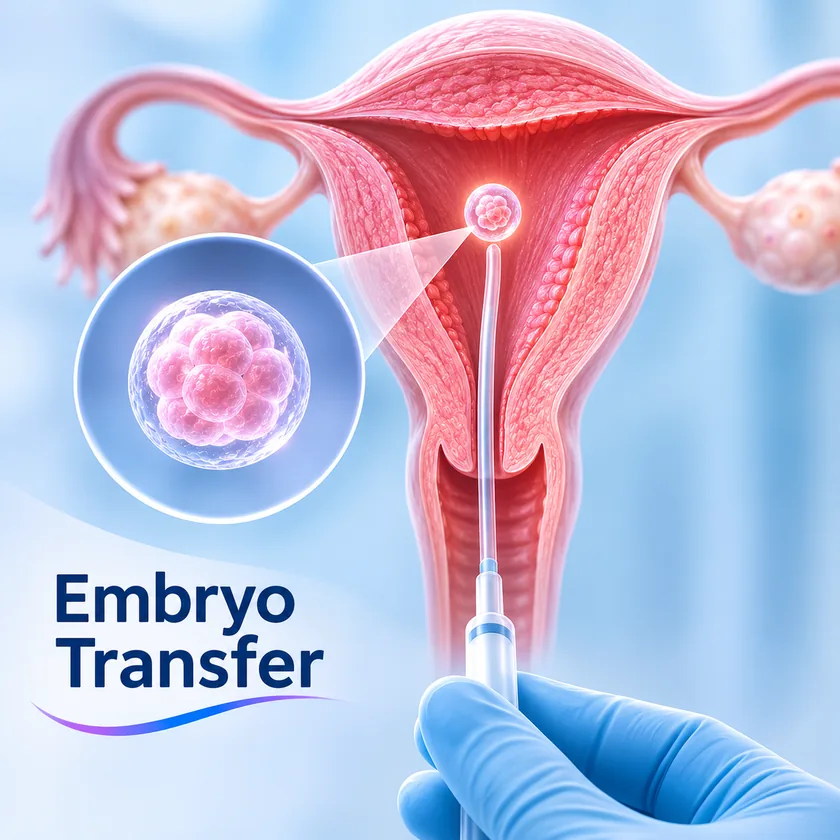
The egg donation process in Iran typically follows seven stages, from initial consultation through to the pregnancy test.
- Initial Consultation: The recipient’s medical history and fertility condition are assessed.
- Donor Selection: A suitable donor is identified following the clinic’s screening and matching procedures.
- Ovarian Stimulation: The donor receives medication to stimulate egg development.
- Egg Retrieval: Mature eggs are collected from the donor.
- Fertilisation: Eggs are fertilised using IVF or ICSI.
- Embryo Transfer: A suitable embryo is transferred into the recipient’s prepared uterus.
- Pregnancy Test: A blood test is generally performed around 9–14 days after embryo transfer.
Is Egg Donation Legal in Iran?
Yes, egg donation is practised and legally recognised in Iran, though the administrative requirements and documentation should be reviewed carefully with your clinic and a legal adviser.
- Clinics may require proof of marriage and identification documents.
- Donor consent and other legal documentation may be necessary.
- Eligibility for international patients must be confirmed with the selected clinic.
- Donor confidentiality, parentage and registration of the child may involve legal considerations.
- International patients should also verify how their home country recognises donor-conceived children.
Important: Egg donation and embryo donation are subject to different legal considerations. Patients should obtain guidance from the fertility centre and an appropriately qualified legal adviser before treatment.
How Much Does Fertility Treatment and Egg Donation Cost in Iran?
Fertility treatment in Iran typically ranges from $200 for IUI to $8,000 for a full egg donation IVF package, depending on the procedure and clinic.
IVF and ICSI Treatment Costs
The following figures are indicative estimates for international patients.
| Fertility Treatment | Estimated Cost (USD) |
|---|---|
| IUI | $200–$600 |
| IVF using own eggs | $2,000–$3,500 |
| IVF with ICSI | $2,500–$4,000 |
| Frozen embryo transfer (FET) | $600–$1,500 |
| Egg freezing | $1,500–$3,000 |
| Embryo freezing | $300–$800 |
Egg Donation Costs and Treatment Packages
| Treatment | Estimated Cost (USD) |
|---|---|
| IVF with donor eggs | $4,000–$7,000 |
| Embryo donation treatment | $3,000–$5,500 |
| Egg donation IVF package | $4,500–$8,000 |
A typical egg donation treatment package in Iran may include:
- Initial fertility consultation.
- Donor screening and coordination.
- Donor ovarian stimulation and egg retrieval.
- IVF or ICSI laboratory procedures.
- Embryo culture and transfer.
- Selected ultrasound examinations and follow-up consultations.
Note: Package inclusions vary between clinics.
What Affects the Total Cost of Fertility Treatment in Iran?
- Type of fertility treatment.
- Donor selection and screening requirements.
- Fertility medication and hormone tests.
- Number of treatment cycles required.
- Embryo freezing and genetic testing.
- Selected fertility clinic and specialist.
- Additional medical or surgical procedures.
Which Are the Best Fertility Clinics for IVF and Egg Donation in Iran?
Leading fertility centres for IVF and egg donation in Iran include MOM Fertility Clinic in Tehran, the Royan Institute in Tehran, and the Yazd Reproductive Sciences Institute in Yazd.
Leading IVF and Egg Donation Centres
MOM Fertility Clinic – Tehran: A specialised reproductive healthcare centre providing IVF, ICSI, IUI, fertility preservation and related diagnostic services.
Royan Institute – Tehran: A recognised research and clinical institution specialising in reproductive medicine, infertility treatment and assisted reproductive technologies.
Yazd Reproductive Sciences Institute – Yazd: An established centre associated with fertility research and assisted reproductive treatments.
The availability of donor egg and embryo donation programmes for international patients should be confirmed directly with each centre.
How Do I Choose a Fertility Specialist in Iran?
Patients should consider:
- Qualifications in reproductive medicine and infertility.
- Experience with IVF, ICSI and donor egg treatment.
- Laboratory facilities and embryo culture standards.
- Clinic-specific success rates for comparable patients.
- Clear treatment costs and follow-up arrangements.
What Are the Success Rates and Risks of Fertility Treatment in Iran?
Donor egg IVF generally offers higher pregnancy rates than IVF using a patient’s own eggs, with some established international programmes reporting 40–60% live birth rates per embryo transfer, though results vary by clinic.
IVF Success Rates with Donor Eggs
IVF using donor eggs may offer higher pregnancy rates than IVF using a patient’s own eggs, particularly in cases of age-related infertility or poor ovarian reserve.
As a broad reference, some established donor egg programmes report 40–60% live birth rates per embryo transfer, although results vary considerably by clinic, donor characteristics, embryo quality and recipient health.
This range is not a verified success rate for Iranian clinics specifically and should not be interpreted as a guarantee.
What Factors Affect Pregnancy Success?
- Donor age and egg quality.
- Sperm quality.
- Embryo development and quality.
- Uterine health and endometrial preparation.
- Recipient’s general health.
- Fertility laboratory standards.
- Previous reproductive history.
What Are the Possible Risks and Complications?
- Ovarian hyperstimulation syndrome (OHSS) in stimulated patients or donors.
- Bleeding or infection following egg retrieval.
- Multiple pregnancy if more than one embryo is transferred.
- Ectopic pregnancy.
- Miscarriage or unsuccessful implantation.
- Emotional and psychological stress.
- Pregnancy complications, including hypertensive disorders, which may be more common in donor egg pregnancies.
Careful screening, appropriate monitoring and individualised treatment planning can help reduce some of these risks.
What Should International Patients Know Before Travelling to Iran for Fertility Treatment?
International patients travelling to Iran for IVF or egg donation should prepare medical documents in advance, confirm visa requirements, and expect a stay of between 3 days and 3 weeks depending on treatment type.
What Medical Documents Are Needed for the Initial Consultation?
- Previous fertility treatment records.
- Hormone test results.
- Ultrasound reports.
- Semen analysis, where relevant.
- Relevant medical and surgical history.
- Passport copies and identification documents.
- Marriage certificate or other documents requested by the clinic.
How Long Do I Need to Stay in Iran for Fertility Treatment?
| Treatment | Estimated Stay in Iran |
|---|---|
| IUI | 3–7 days |
| IVF / ICSI | 2–3 weeks |
| IVF with donor eggs | 1–3 weeks |
| Frozen embryo transfer | 5–10 days |
| Embryo donation | 1–2 weeks |
These are planning estimates. The actual stay depends on the treatment protocol, donor availability, medical assessment and appointment schedule.
What About Visas, Accommodation and Patient Assistance?
International patients should confirm their visa requirements before travelling to Iran.
Medical tourism assistance may include:
- Arranging initial consultations with fertility specialists.
- Coordinating medical appointments.
- Obtaining estimated treatment costs.
- Guidance on medical visa applications.
- Assistance with accommodation and airport transfers.
- Follow-up coordination before returning home.
Frequently Asked Questions About Fertility Treatment in Iran
Egg donation is practised in Iran. However, eligibility, consent, donor arrangements and parentage issues require legal and medical review before treatment.
Some fertility centres may accept eligible international patients for donor egg treatment. Acceptance depends on medical assessment, clinic policy and applicable legal requirements.
An indicative estimate is $4,000–$7,000, depending on the clinic, donor arrangements, medication and treatment package.
Donor confidentiality and disclosure arrangements vary. Patients should confirm the donor information available, confidentiality policies and relevant legal requirements before proceeding.
There is no single age limit that applies to every clinic. Eligibility depends on the recipient’s age, general health, pregnancy risks and the fertility centre’s policies.
International patients may need approximately 1–3 weeks, depending on donor availability, embryo transfer scheduling and the selected treatment programme.
Yes, IVF and egg donation in Iran are generally more affordable than comparable treatments in many Western European countries, though patients should factor in travel, accommodation and follow-up costs when comparing total expenditure.
Many international patients extend their stay to explore Iran, though treatment schedules, particularly for donor cycles and embryo transfer timing, should take priority when planning any additional travel.
Many clinics that work with international patients provide translation support or English-speaking coordinators, but this varies by centre and should be confirmed in advance.
Start Your Fertility Treatment in Iran with Medipars
Are you considering IVF, ICSI or egg donation treatment in Iran?
We can assist international patients with fertility clinic selection, specialist consultations, treatment cost estimates and medical travel arrangements.
Contact us via WhatsApp to share your medical records and receive personalised guidance on fertility treatment options in Iran.
