
Hashemi Rafsanjani Comprehensive Cancer Centre
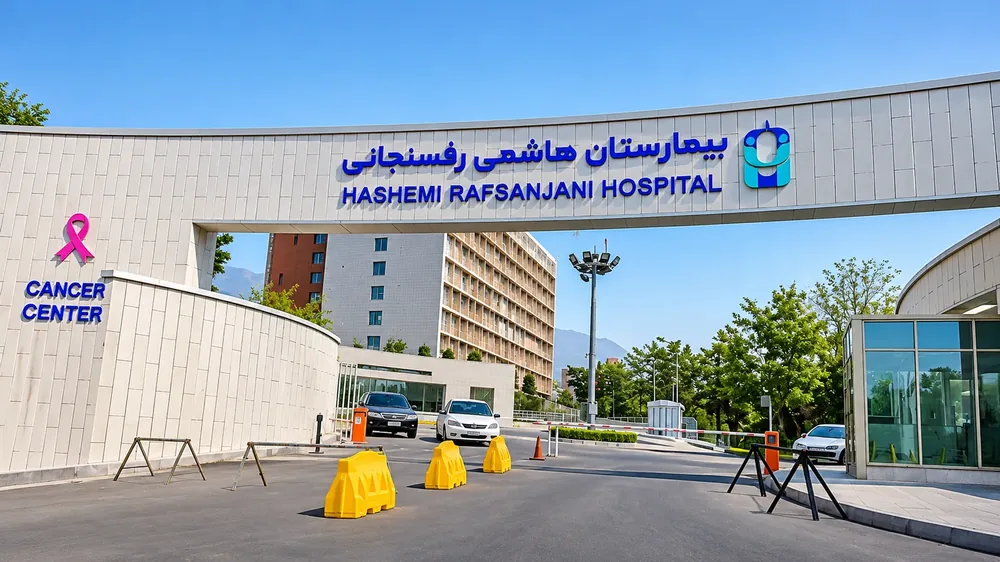
Hashemi Rafsanjani Comprehensive Cancer Centre is a 200-bed cancer hospital in Tehran, opened in 2025, with chemotherapy, radiotherapy and cancer surgery.
Introduction to Hashemi Rafsanjani Comprehensive Cancer Centre
Hashemi Rafsanjani Comprehensive Cancer Centre, also known as Ayatollah Hashemi Rafsanjani Hospital, is a specialised cancer hospital in Tehran, Iran. The centre provides diagnostic, surgical and medical treatment services for patients with different types of cancer.
Officially inaugurated on 9 January 2025, the hospital was established with the support of the Foundation for Special Diseases and the Institute for Cancer Research, Education and Prevention.
The hospital aims to provide comprehensive cancer care, from diagnosis and treatment to rehabilitation and supportive services.
With modern medical infrastructure, specialised oncology departments and multidisciplinary treatment facilities, the centre is an important option for patients seeking cancer treatment in Iran.
General Hospital Information
| Information | Details |
|---|---|
| Hospital name | Hashemi Rafsanjani Comprehensive Cancer Centre |
| Alternative name | Ayatollah Hashemi Rafsanjani Hospital |
| Location | Tehran, Iran |
| Hospital type | Specialised cancer hospital |
| Management model | Public non-governmental healthcare institution |
| Official inauguration | 9 January 2025 |
| Main speciality | Oncology and cancer treatment |
| Reported hospital capacity | 200 beds |
| Main treatments | Cancer surgery, chemotherapy and radiotherapy |
| Additional services | Diagnostic imaging, nuclear medicine and supportive care |
| International patients | Admission subject to medical assessment and hospital confirmation |
Specialised Cancer Treatment Departments
Hashemi Rafsanjani Comprehensive Cancer Centre offers several important diagnostic and treatment services for cancer patients.
Medical Oncology and Chemotherapy
The medical oncology department provides drug-based treatments for patients with different types of cancer.
Services include:
- Specialist oncology consultations.
- Chemotherapy for eligible cancer patients.
- Assessment of treatment response.
- Management of chemotherapy-related side effects.
- Supportive medication and follow-up care.
Targeted therapy and immunotherapy may be considered according to the patient’s diagnosis, although the availability of specific medicines must be confirmed with the hospital.
Radiation Oncology and Radiotherapy
The hospital has a dedicated radiotherapy department for treating cancer using controlled radiation.
Radiotherapy may be recommended:
- Before surgery to reduce tumour size.
- After surgery to reduce the risk of local recurrence.
- As a primary treatment for selected cancers.
- To relieve symptoms in advanced cancer.
The appropriate radiotherapy technique and number of sessions depend on the type, location and stage of cancer.
Cancer Surgery
The hospital provides operating theatre facilities for surgical treatment.
Cancer surgery may involve:
- Removal of malignant tumours.
- Surgical assessment of suspicious tissue.
- Removal of affected lymph nodes when necessary.
- Surgery as part of a combined cancer treatment programme.
- Selected procedures to relieve complications of advanced cancer.
The availability of particular cancer operations depends on the relevant surgical team and hospital facilities.
Nuclear Medicine
The nuclear medicine department supports the assessment and management of certain cancers.
Services may include:
- Nuclear medicine imaging.
- Functional assessment of organs and tissues.
- Selected cancer-related diagnostic investigations.
- Evaluation of disease activity and treatment response.
Diagnostic and Medical Imaging Facilities
Accurate diagnosis is essential for determining cancer type, stage and the most suitable treatment.
Hashemi Rafsanjani Comprehensive Cancer Centre has reported the availability of several diagnostic and imaging services.
Diagnostic Facilities
- General medical imaging.
- Nuclear medicine examinations.
- Angiography.
- Endoscopic examinations.
- Diagnostic investigations before surgery.
- Clinical assessment and treatment monitoring.
Depending on the patient’s condition, additional tests may include:
- CT scans.
- MRI examinations.
- Ultrasound.
- Tissue biopsy.
- Pathology and laboratory investigations.
Breast Cancer Diagnosis and Treatment
Hashemi Rafsanjani Comprehensive Cancer Centre is a potential treatment option for patients seeking specialist assessment and treatment for breast cancer in Tehran.
Breast cancer treatment generally requires cooperation between breast surgeons, medical oncologists, radiation oncologists, radiologists and pathologists.
Breast Cancer Diagnostic Services
Depending on hospital availability and the patient’s medical requirements, investigations may include:
- Clinical breast examination.
- Review of mammography and breast ultrasound.
- Breast MRI when clinically indicated.
- Breast biopsy and pathology assessment.
- Hormone receptor testing (ER and PR).
- HER2 testing.
- Cancer staging investigations.
Breast Cancer Surgery
Patients requiring breast cancer surgery may be assessed for procedures such as:
- Lumpectomy: Removal of the tumour while preserving most of the breast.
- Mastectomy: Removal of breast tissue when clinically necessary.
- Sentinel Lymph Node Biopsy: Assessment of selected lymph nodes for cancer spread.
- Axillary Lymph Node Surgery: Removal of affected lymph nodes when indicated.
Chemotherapy for Breast Cancer
Chemotherapy may be recommended:
- Before surgery to reduce tumour size.
- After surgery to reduce recurrence risk.
- For locally advanced breast cancer.
- For metastatic breast cancer.
The treatment schedule depends on the cancer subtype, stage and prescribed medicines.
Radiotherapy for Breast Cancer
Radiotherapy is commonly recommended following breast-conserving surgery and may also be required after mastectomy in selected patients.
The treatment aims to reduce the risk of local recurrence and may be used to control symptoms in advanced disease.
Targeted Therapy and Immunotherapy
Certain patients may benefit from specialised medicines, including:
- HER2-targeted treatments.
- Hormone therapy.
- CDK4/6 inhibitors.
- PARP inhibitors.
- Immunotherapy for eligible patients.
These treatments are not suitable for every patient.
Operating Theatres and Inpatient Facilities
The hospital has developed facilities for surgical treatment and inpatient care.
Reported facilities include:
- Operating theatres.
- Inpatient wards.
- Postoperative monitoring.
- Medical and nursing care.
- Diagnostic and treatment departments.
- Support services for patients undergoing cancer treatment.
The hospital’s reported capacity is approximately 200 beds. Actual operational capacity and room availability may vary.
Rehabilitation and Supportive Cancer Care
Cancer treatment may affect patients physically and emotionally. Supportive care is an important part of recovery and long-term wellbeing.
The centre has been described as offering services such as:
- Physiotherapy and rehabilitation.
- Psychological support.
- Nutritional counselling.
- Symptom management.
- Post-treatment monitoring.
- Support for patients and their families.
Medical Specialists and Multidisciplinary Cancer Care
Cancer treatment frequently requires cooperation between several medical specialists.
Depending on the diagnosis, the treatment team may include:
- Medical oncologists.
- Radiation oncologists.
- Surgical oncologists.
- General and specialist surgeons.
- Radiologists.
- Pathologists.
- Nuclear medicine specialists.
- Anaesthetists.
- Rehabilitation specialists.
- Oncology nurses.
A multidisciplinary approach helps specialists assess treatment options and coordinate the patient’s care.
Facilities and Services for International Patients
International patients considering treatment at Hashemi Rafsanjani Comprehensive Cancer Centre should obtain medical approval before travelling to Iran.
Depending on the hospital’s admission arrangements, treatment coordination may involve:
- Review of medical documents.
- Specialist consultation.
- Assessment of treatment eligibility.
- Preparation of an individual treatment plan.
- Estimated treatment costs.
- Hospital admission arrangements.
- Coordination of surgery or oncology treatment.
- Discharge planning and follow-up care.
Why Consider Hashemi Rafsanjani Cancer Centre?
1. Specialised Cancer Treatment
The hospital focuses on oncology and offers access to several major cancer treatment services.
2. Modern Medical Infrastructure
As a recently inaugurated hospital, the centre has been developed with modern facilities for cancer diagnosis and treatment.
3. Chemotherapy and Radiotherapy
Both chemotherapy and radiotherapy are among the hospital’s reported operational services.
4. Surgical Treatment Facilities
Operating theatres and inpatient departments support the surgical management of eligible patients.
5. Nuclear Medicine and Diagnostic Services
The hospital provides specialised diagnostic facilities to assist cancer assessment and treatment planning.
6. Supportive and Rehabilitation Services
The centre aims to address patients’ physical and psychological needs alongside medical treatment.
7. Accessible Treatment Model
The hospital operates under a public non-governmental model, with an emphasis on improving access to cancer care.
Hashemi Rafsanjani Comprehensive Cancer Centre in Tehran is a specialised oncology hospital providing diagnostic, surgical and medical treatment services for patients with cancer.
With facilities for chemotherapy, radiotherapy, cancer surgery, nuclear medicine and inpatient care, the hospital represents an important addition to Iran’s cancer treatment infrastructure.
For international patients considering cancer treatment in Iran, the centre may be an option for specialist consultation and treatment, subject to medical assessment and confirmation of the required services.
Patients are advised to submit their medical documents before travelling so that treatment availability, hospital admission, estimated costs and the expected duration of care can be assessed.
Plan Your Cancer Treatment in Iran with Us
Are you considering cancer treatment at Hashemi Rafsanjani Comprehensive Cancer Centre in Tehran?
We can assist international patients with medical document reviews, specialist consultation coordination, hospital admission enquiries, treatment cost estimates, medical visa guidance and travel arrangements.
Contact us on WhatsApp today to share your medical reports and request an individual treatment assessment and estimated cost.
Our team can help you explore suitable treatment options and coordinate the next steps of your medical journey to Iran.
Sources
- Hashemi Rafsanjani Hospital (Cancer Center): official website
- Hashemi Rafsanjani Hospital: About us (in Persian)
- Hashemi Rafsanjani Hospital: Operating Room
- Hashemi Rafsanjani Hospital: Department of Nuclear Medicine
- Hashemi Rafsanjani Hospital: Breast Clinic
- Hashemi Rafsanjani Hospital: International Patient Department (IPD)
